
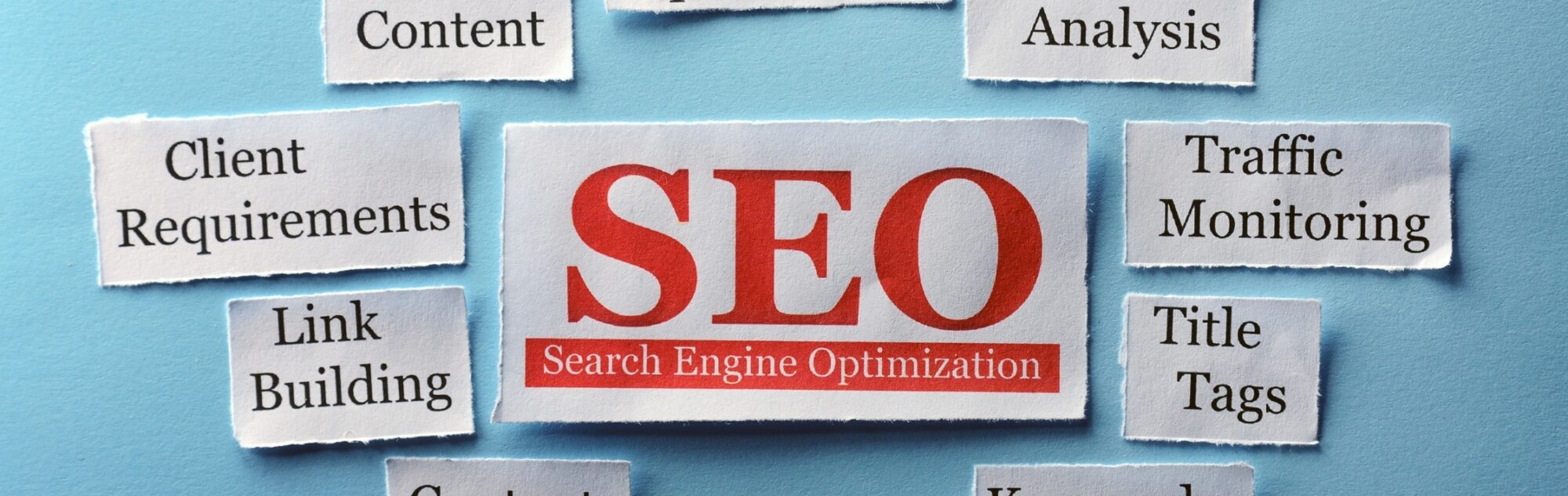
What is SEO?
SEO stands for Search Engine Optimization, a strategy aimed at improving the visibility of a website on search engines like Google, Bing, or Yahoo. The ultimate goal of SEO is to attract organic (unpaid) traffic to your site by ensuring that it ranks higher for relevant search queries.
SEO involves a combination of techniques, including optimizing content, improving website structure, and building high-quality backlinks.
Why is SEO Important?
1. Increased Visibility
Over 90% of online experiences begin with a search engine. Ranking on the first page of search results significantly increases your chances of being discovered by potential customers.
2. Cost-Effective Marketing
Unlike paid advertising, SEO focuses on organic traffic, which doesn’t require ongoing expenses. It provides long-term results when done correctly.
3. Builds Credibility and Trust
Websites that rank high on search engines are perceived as more credible and trustworthy by users. SEO helps establish your brand as an authority in your industry.
4. Improves User Experience
SEO isn’t just about search engines; it’s also about providing a better experience for your visitors. Faster load times, mobile-friendly design, and easy navigation all contribute to higher rankings and satisfied users.
5. Drives Targeted Traffic
SEO ensures that the traffic coming to your site is highly relevant. By targeting specific keywords, you attract visitors who are actively searching for your products or services.
Key Components of SEO
1. On-Page SEO
This involves optimizing elements on your website, including:
- Keyword Research: Finding the right keywords that your audience is searching for.
- Meta Tags: Crafting compelling meta titles and descriptions.
- Content Optimization: Writing high-quality, keyword-rich content that answers user queries.
- Internal Linking: Connecting pages within your website to improve navigation and authority.
2. Off-Page SEO
Off-page SEO focuses on activities outside your website to improve its authority, such as:
- Backlinks: Earning links from reputable websites.
- Social Media Signals: Promoting your content on social platforms to drive traffic.