5-2000x1125

What is SEO?

What is SEO?

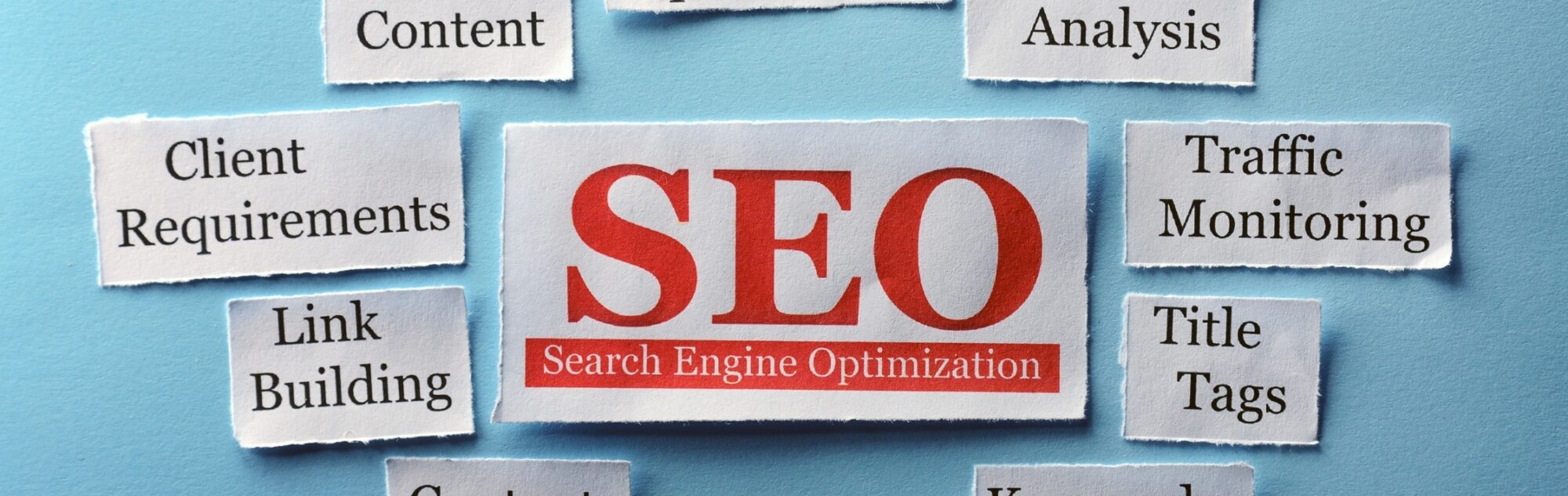
SEO stands for Search Engine Optimization, a strategy aimed at improving the visibility of a website on search engines like Google, Bing, or Yahoo. The ultimate goal of SEO is to attract organic (unpaid) traffic to your site by ensuring that it ranks higher for relevant search queries.

SEO involves a combination of techniques, including optimizing content, improving website structure, and building high-quality backlinks.


Why is SEO Important?

1. Increased Visibility

Over 90% of online experiences begin with a search engine. Ranking on the first page of search results significantly increases your chances of being discovered by potential customers.

2. Cost-Effective Marketing

Unlike paid advertising, SEO focuses on organic traffic, which doesn’t require ongoing expenses. It provides long-term results when done correctly.

3. Builds Credibility and Trust

Websites that rank high on search engines are perceived as more credible and trustworthy by users. SEO helps establish your brand as an authority in your industry.

4. Improves User Experience

SEO isn’t just about search engines; it’s also about providing a better experience for your visitors. Faster load times, mobile-friendly design, and easy navigation all contribute to higher rankings and satisfied users.

5. Drives Targeted Traffic

SEO ensures that the traffic coming to your site is highly relevant. By targeting specific keywords, you attract visitors who are actively searching for your products or services.


Key Components of SEO

1. On-Page SEO

This involves optimizing elements on your website, including:

  • Keyword Research: Finding the right keywords that your audience is searching for.
  • Meta Tags: Crafting compelling meta titles and descriptions.
  • Content Optimization: Writing high-quality, keyword-rich content that answers user queries.
  • Internal Linking: Connecting pages within your website to improve navigation and authority.

2. Off-Page SEO

Off-page SEO focuses on activities outside your website to improve its authority, such as:

  • Backlinks: Earning links from reputable websites.
  • Social Media Signals: Promoting your content on social platforms to drive traffic.

1-1-edited

Why Email Marketing Still Matters

1. Direct Communication

Unlike social media platforms that depend on algorithms, emails go straight to your audience’s inbox. This direct communication ensures your message is seen without interference from third-party platforms.

2. High ROI

Email marketing offers one of the best ROIs among all marketing strategies. With automated campaigns and segmentation, businesses can target specific audiences effectively, leading to higher conversion rates.

3. Builds Customer Relationships

Emails allow businesses to engage with their customers on a personal level. Whether it’s sending a welcome email, a special offer, or a personalized birthday greeting, emails strengthen your bond with customers.

4. Versatility

From promoting new products and sharing blog updates to sending out surveys and nurturing leads, email marketing can serve multiple purposes within a single campaign.


Best Practices for Email Marketing

To make the most of your email marketing efforts, follow these tried-and-true strategies:

1. Build a Quality Email List

Your success in email marketing starts with a strong email list. Avoid buying email lists as they often lead to low engagement and spam complaints. Instead, grow your list organically by offering valuable content, discounts, or free resources in exchange for email sign-ups.

2. Craft Engaging Subject Lines

The subject line is the first thing your audience sees. Make it compelling and relevant to encourage recipients to open your email. Avoid spammy language like “Act Now!” or excessive punctuation.

3. Personalize Your Emails

Use data such as the recipient’s name, purchase history, or preferences to make your emails feel tailored. Personalized emails have higher open and click-through rates compared to generic ones.

4. Use Eye-Catching Design

Your email should be visually appealing and easy to read. Incorporate branding elements like your logo, colors, and fonts, and ensure it’s mobile-friendly as most people check emails on their smartphones.

2-1-edited

Why Choose Facebook Ads?

Facebook’s advertising platform is built on robust data and advanced targeting capabilities. Here’s why businesses of all sizes choose Facebook Ads:

1. Unmatched Audience Reach

With billions of users across diverse demographics, Facebook enables you to connect with a global audience. Whether your target audience is local or international, Facebook Ads allow you to narrow down your reach to people most likely to engage with your business.

2. Precise Targeting

Facebook Ads let you target your audience based on age, gender, location, interests, behaviors, and more. This ensures that your ads are shown to the right people at the right time, increasing the chances of conversions.

3. Cost-Effective Advertising

Compared to traditional advertising channels, Facebook Ads are budget-friendly. You can start with as little as $5 per day, making it accessible for startups and small businesses to compete with larger brands.

4. Multiple Ad Formats

From image and video ads to carousel and collection ads, Facebook provides a variety of formats to showcase your products or services creatively. This versatility allows you to experiment and find what resonates best with your audience.


Best Practices for Facebook Ads

To maximize the success of your Facebook Ads, follow these proven strategies:

1. Define Clear Goals

Before launching a campaign, determine your objectives. Are you looking to increase brand awareness, drive website traffic, generate leads, or boost sales? Setting clear goals will help you craft a more focused and effective campaign.

2. Know Your Audience

Use Facebook’s Audience Insights tool to understand your target demographic. Create detailed buyer personas that include age, interests, and online behavior to ensure your ads speak directly to their needs and desires.

3. Create Compelling Visuals

Visual content is the heart of Facebook Ads. Use high-quality images and videos that grab attention and reflect your brand’s personality. Ensure the visuals align with the message and the action you want users to take.

4. Write Engaging Copy

Your ad copy should be clear, concise, and compelling. Highlight the benefits of your product or service and include a strong call-to-action (CTA), such as “Shop Now,” “Learn More,” or “Sign Up Today.”

5. Test and Optimize

A/B testing is crucial to determine which ad elements perform best. Experiment with different headlines, visuals, and targeting options, and use Facebook’s analytics tools to monitor performance. Optimize your campaigns based on data insights to improve results.